Wednesday, 8 May 2019

Howl's Moving Castle (2004) On A Rewatch

Image result for howl's moving castle ending
So here's a fun fact, Howl's Moving Castle was the first ever Studio Ghibli film I watched, just under a decade ago when a friend of mine recommended it to me and said it was her favourite film by the company. Unfortunately, I ended up really disliking the film, I found it to be very strange, very unfocused and rather vague. Of course a lot of that comes down to Hayao Miyazaki's style as a storyteller and it being one that I just wasn't used to, now here we are many years later where I've seen the majority of his work and have come to love that style, so I was curious to see how my feelings on the film would have changed in that time. Frankly speaking I... still don't like it, but for very different reasons from before.

Truthfully speaking I do appreciate the film a lot more than I used to, but that comes down to appreciating Miyzaki's style as a whole, his films are never ones to focus on narrative or arcs or world building, but instead prefer to focus on the emotions of the characters and having you understand that rather than the world around them. It's well noted that Miyazaki storyboards his films before writing them, emphasising a more storybook layout of storytelling, highlighting the visuals and feelings rather than a plot. Watching a Miyazaki film is like floating in a calm river, it can be incredibly soothing and beautiful if you just let yourself get swept away in the environment. The issue here is that this idea is not original Miyzaki’s, but was based on the book of the same name by author Diana Wynne Jones, and while I have not read the book, I can very much get the sense that it did have a much bigger focus on world building, establishing rules and creating a structured narrative, and this comes to clash with Miyazaki who doesn’t focus on these things, there are no rules to how a world works for him, they just do and you go along for the ride.

This isn’t to say Miyazaki doesn’t tackle issues such as war or morally grey characters before, it’s just always been on his terms and he gets to say as much as he wants to on the subject matter, and I get the sense that he’s trying to be faithful to the plot of the original and it’s a concept that certainly allows for his usual sense of creative flair and style, the two just don’t match on a blueprint level. Miyazaki is always about visuals and atmosphere, two things that you don’t get from a book, and isn’t guaranteed to blend well. I get the sense that if Miyazaki had chosen to be less faithful then this could have made a stronger piece, as it is I found myself constantly getting confused by the rules of magic or the political motivations behind this war or how people seem to fall in and out of love and change sides constantly because…it happened in the book?

I acknowledge most of this criticism is in speculation but honestly if I’m wrong then that just makes it look worse for the film having only half-committed to something when they never needed to. Claiming it’s issues are due to the film trying to be faithful to book is me giving it the benefit of the doubt and trying to lessen the blame by saying it’s clunky because it chose accuracy as a crucial component.

As I stated none of these are problems I had with my original viewing, nor were the positives things I acknowledged at the time, frankly my dislike of this film and love for other Ghibli films held me to the belief that everyone’s first Ghibli film is going to be one of their least favourite and for the most part I still hold to that. However, I look back on my initial problems with the film being elements such as the main character Sophie being a blank slate who exists just to be a self-insert fantasy for girls to place themselves into because they find Howl attractive. Which is still technically a true statement but is also not a valid criticism of the film? Well, technically speaking it is, Sophie being a blank slate makes her a dull protagonist and also a rather inconsistent one as she has far more personality as an old woman than she does a young one that they feel like two completely different characters (While also changing accents for some reason). Her being a self-insert fantasy is the part that’s not a problem, I only viewed it as one because it wasn’t a fantasy character meant for me, despite the fact many of my favourite characters are my favourites for the very same reason. 

I find this relevant personally because context is everything to a film and looking back on a film I haven’t seen in many years and what I found to be valid criticisms then versus now I find interesting and honestly slightly proud of to see myself grow and better myself as a critic of films, finding more to appreciate in a film that I once wrote off as terrible while also looking for more legitimate issues rather than “This isn’t made for me so it’s bad”. Mind you I was just a highly opinionated teenager at the time, like most have been, it’s just always interesting to see how things change and makes me curious on how I will view this film another decade from now and how I will be different from then and how I view films will be. Opinions are fluid, context matters and situations change, there’s no point dying on a hill or permanently writing off a film because you have no idea what will matter, but I find myself moving in the right direction and I hope I continue to do so in the future.

-Danny

Sunday, 5 May 2019

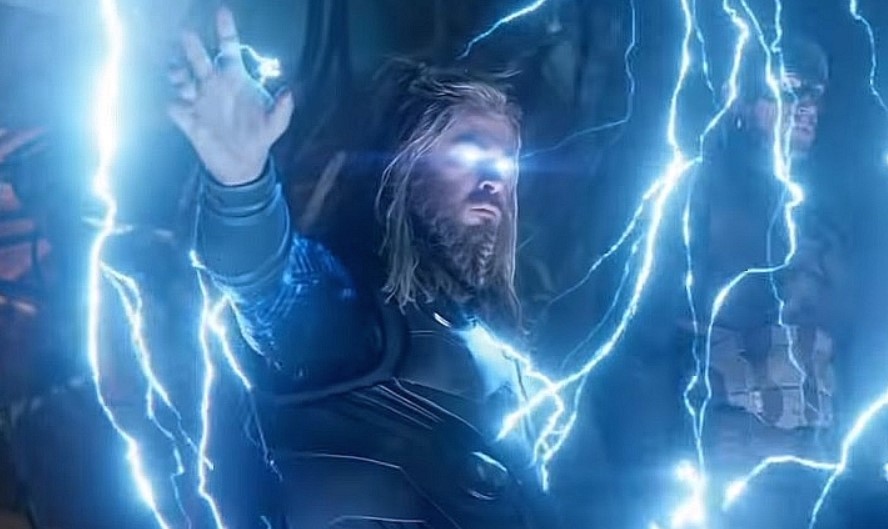
In Defense of Endgame's Thor

Image result for thor endgame fat
Yes, the last 4 posts have been comic book related, I promise this'll be the last one...maybe, but I just had to discuss this.

*Spoilers for Avengers: Endgame*

So, one of the more debated elements of Avengers: Endgame was the portrayal of Thor. Some of the critiques against him are that it mocks depression, others say it trivializes obesity, even some who say it completely undoes Thor’s character arc from Thor: Ragnarok (That last group apparently has no idea how a character arc works). These are issues that I can definitely see the arguments for but in fact I find Thor’s depiction in the film to be the most unique and complex. For those of you who haven’t seen Avengers: Endgame and for some reason read spoilers on line like a madman, let me explain. At the beginning of the film The Avengers ambush Thanos, discover the stones have been destroyed so Thor kills him in a fit of rage. Cut to 5 years later where Thor is now an obese, alcoholic loner wasting away his life like The Big Lebowski (As so referenced in the film). He submissively rejoins the team in one more attempt to save everyone, still behaving like the chill alcoholic until their time travel adventures results in him reuniting with his mother the day of her death, they have a deep conversation that reignites Thor’s fighting spirit, they return to fight Thanos, they win and the film ends with Thor joining the Guardians of the Galaxy, leaving Asgard in the rule of Valkyrie.

Now the main criticism against Thor’s arc is that it belittles the effects of depression, mostly by making multiple jokes at the expense of Thor and his obesity and his alcoholism, and while true, there are a number of jokes against him, there are also just as many moments that show it’s truly a constant burden on Thor’s shoulders. Even the mere mention of Thanos’ name turns him into blubbering mess. Thor lost more than any of the other characters because of Thanos, Infinity War opens with the death of half his people (After half his people already died due to Ragnarok) including his trusted friend Heimdall and brother Loki. Even within Infinity War you begin to see him crack, take his conversation with Rocket where he buries down his emotions and disguises it with a desire for vengeance and big smile on his face as if none of this affects him:

“I’m 1500 years old. I've killed twice as many enemies as that. And every one of them would have rather killed me than not succeeded. I'm only alive because fate wants me alive. Thanos is just the latest of a long line of bastards, and he'll be the latest to feel my vengeance - fate wills it so. Well, if I'm wrong, then... what more could I lose?”

Thor has always been one to deny his emotions and use coping mechanisms. Then cut to the end of the film where he is the last one to fight Thanos, and he fails yet again, the last line of defence and he let his arrogance get in the way. Also another half of Asgardians are killed yet again. All of this comes to the boiling point of Thor finally giving up, with no fight left and he’s failed every step of the way, even getting revenge brought him nothing, the fact that Thor ended up where he did should be no surprise to anyone. As for the tone of how they portray him? Well, they gave us two serious Thor movies and people didn’t care, the one where they make jokes out of everything is the one Thor everyone likes so that’s the tone they went with, but again, it never undermines the severity of his situation.

The peak of this is when he gets to have a conversation with his mother, where his arc not just in this film but the entire franchise is summed up “Stop being who you’re supposed to be and be who you are”. From his first appearance to now Thor has been expected to be a leader, to be noble, respectable and mighty, but that’s not who he is or has ever been. He’s a fighter who protects people but doesn’t lead them, so once the stones are gathered again he literally begs the other Avengers to let him be the one to do is, he’s the one who failed before, he has to save everyone now, he has to know he’s worthy of being a hero. He’s not though, he’s not the only hero, he’s part of a team, he needs to know the weight of the universe doesn’t have to be on his shoulders and can let others take the reigns. Take the moment when Captain America finally lifts Mjolnir, in Age of Ultron Thor was devastated at even the idea someone else could lift his hammer, but here he sees that image of Steve Rogers wielding his power and he looks on in pride. Thor plays his part in taking down Thanos, but he’s not the one to take him down and he doesn’t have to be. The end of the film is Thor passing over the right to rule to Valkyrie – a natural born leader – and he becomes a teammate of the Guardians, saving the galaxy and telling jokes along the way, y’know, the thing he’s best at.

Even the obesity thing, if they magically did away with his weight once his emotional arc was complete then I can understand the problems with it more so, but through the end of the film he maintains the weight and it doesn’t affect his fighting in anyway, he’s still the god of thunder, a super powerful badass gone full Viking mode and the lightning even being nice enough to braid his hair for him. He’s the admirable, brutal fighter with a cool hairdo and the best dad bod this side of Jotunheim…wait am I attracted to Viking Thor?

To steal a line from Dani Fernandez’s article on how Endgame reflects failure and her description of Thor “I relate to feeling regret. I relate to feeling like I have no control. I relate to being scared to try again. Trying again means you can get hurt again. Why give us hope when it can be taken away? But trying again also means things can get better.” This was a Thor who embraced his emotions and his failures more than any other, he experiences loss constantly and hits his true rock bottom, but it allows him to face his true self once again, instead of being what he supposed to be, he embraced what he is. None of this is “erasing” Thor’s character arc from prior films, but is completing his decade long arc from the franchise, taking his desires vs his needs, what he desires to be is a team leader, what he needs to be is a team player.


Thor in Endgame has one of the most complex arcs in the film that pays tribute to everything that came before it. It pays off a story set up from the first Thor film, calls back to Thor: The Dark World by focusing on his relationship with his mother, stays true to the tone of Thor: Ragnarok and sees him embrace the hardest failure that he tries so hard to cover up, either with comedy, with anger and with alcohol before finally able to embrace his place in life, as a team member, not a team leader. Leaving Asgard in better hands and helping people to the best of his own abilities, not anyone else’s.

-Danny

Wednesday, 17 April 2019

Static Shock And The Homeless Episode

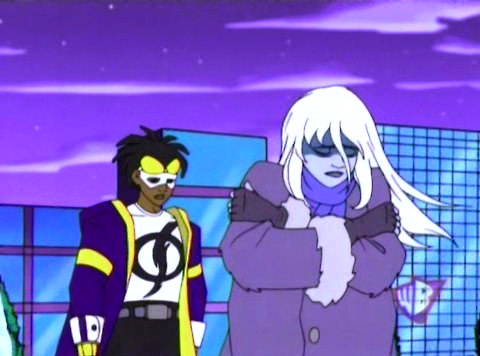
Image result for frozen out static shockWe all know that when people say they wish their entertainment would "go back to when it wasn't political!" what they really mean is they wish they could go back to a time when they didn't realise their entertainment was being political. These people I will never understand as more often than not, it's these exact properties that stand the test of time and only improve as I get older. Static Shock was no stranger to dealing with complicated issues such as racism, gang violence and even school shootings(!). For the most part they never went with the half-measure, if a subject was important to talk about, they treated it with the respect and delicacy it deserves, granted sometimes that means they go a bit overboard, such as the school shooting episode ending with Static addressing the audience with a PSA, but I get it, in the case that you have to deal with this situation (Which is sadly all the more likely these days) it’s important to get all the information across.

Part of me feels because there was such a huge separation between me and the show in a social aspect – the series following a black teenager in a crime ridden stand in for Detroit, then there’s me, a white kid in England in a relatively low crime-area – it introduced me to issues and environments that I would never have become aware of without. Which is often why people who grew up closer to Static’s situation would have caught on to the deeper issues sooner rather than later. From what I can remember it was the only superhero series that would address the existence of criminals as not such being science experiments gone wrong or aliens attacking, but instead as just poverty-stricken youths who had no choice, their environment decided their fate for them as this was their only method of survival. The fact a character like Virgil Hawkins would choose to use his powers for good is not just the act of a normal kid with a moral compass, but as someone actively challenging the role the world tried to force him into. Hell, the only reason he got his powers was because he was forced into a gang war that he had no stakes in.

I know none of this is to do with the meat of this post, but I just wanted to address that this is not an outlier of an episode, the entire series was built upon these type of characters and stories being told. It was a series that was consistently smart and mature, mostly do to the late and great Dwayne McDuffie who spent the better part of his career creating characters and telling stories of this magnitude. So now let’s discuss the episode that stands out the most to me personally, that being season 2 episode 5 ‘Frozen Out’, a Christmas episode that sees a new antagonist Permafrost attacking the city, Static intervenes and it turns out the threat in question is no threat at all, just a teenage girl who is homeless and struggling with mental health issues, both of which a result of the sudden & tragic death of her mother. Once Static learns this it doesn’t become a matter of taking down a villain, but giving support to a young girl in need, and even a moment of admitting fault in himself, with Permafrost delivering the moral “When you’re homeless, people look through you, like you’re not even there” a fault that almost all of us have to admit to as well, including Static. So from there he does what he can, by showing compassion he finds her the support & shelter she needs to help get better.

The idea of superheroes dealing with villains suffering from bad situations is nothing new, the idea of superheroes dealing with villains suffering from mental illnesses is nothing new. The idea of a superhero acknowledging fault, making strives to be better, actually succeeding in helping redeem a foe, and tackling issues such as mental health, homelessness and death of a loved one all at once while being mature & honest about the issues, that is rather rare. These are also issues that rarely get addressed in any media, let alone ones aimed at children, Permafrost’s mental illness isn’t a cause for her super powers, nor is it really linked, but to see a realistic representation that isn’t vilified is quite rare. Static Shock as a series is one that receives plenty of acclaim from its audience, but frankly I still feel that is rather too small to fully acknowledge just how good of a show this was. It told stories that don’t get told, it dealt with issues people would say are too serious to put in a kids show. While I love all the other superheroes shows that were coming out around this time, none of them were like Static Shock, and we probably never will get a show like this again.

-Danny

Monday, 15 April 2019

The Umbrella Academy’s Best Scene (But You Knew That)


Image result for the umbrella academy i think we're alone now
Well, now if I’m getting back into the flow of writing, no point letting it go to waste, but this time let’s talk about something more positive. The Umbrella Academy is a show that is…flawed. Certain character arcs go unfulfilled, the choice in soundtrack is hit or miss and often it seems to think it’s smarter than it is when the writing relies too much on conventional storytelling as a shorthand in place of actual development or ideas. Wait, this was supposed to be a positive post-danggit! Despite all that, it is still a very good show with a fantastic cast, top notch visuals and like I said, the soundtrack may be hit or miss, but here we’re talking about a time where it hit the hardest, even if it is an easy pick.

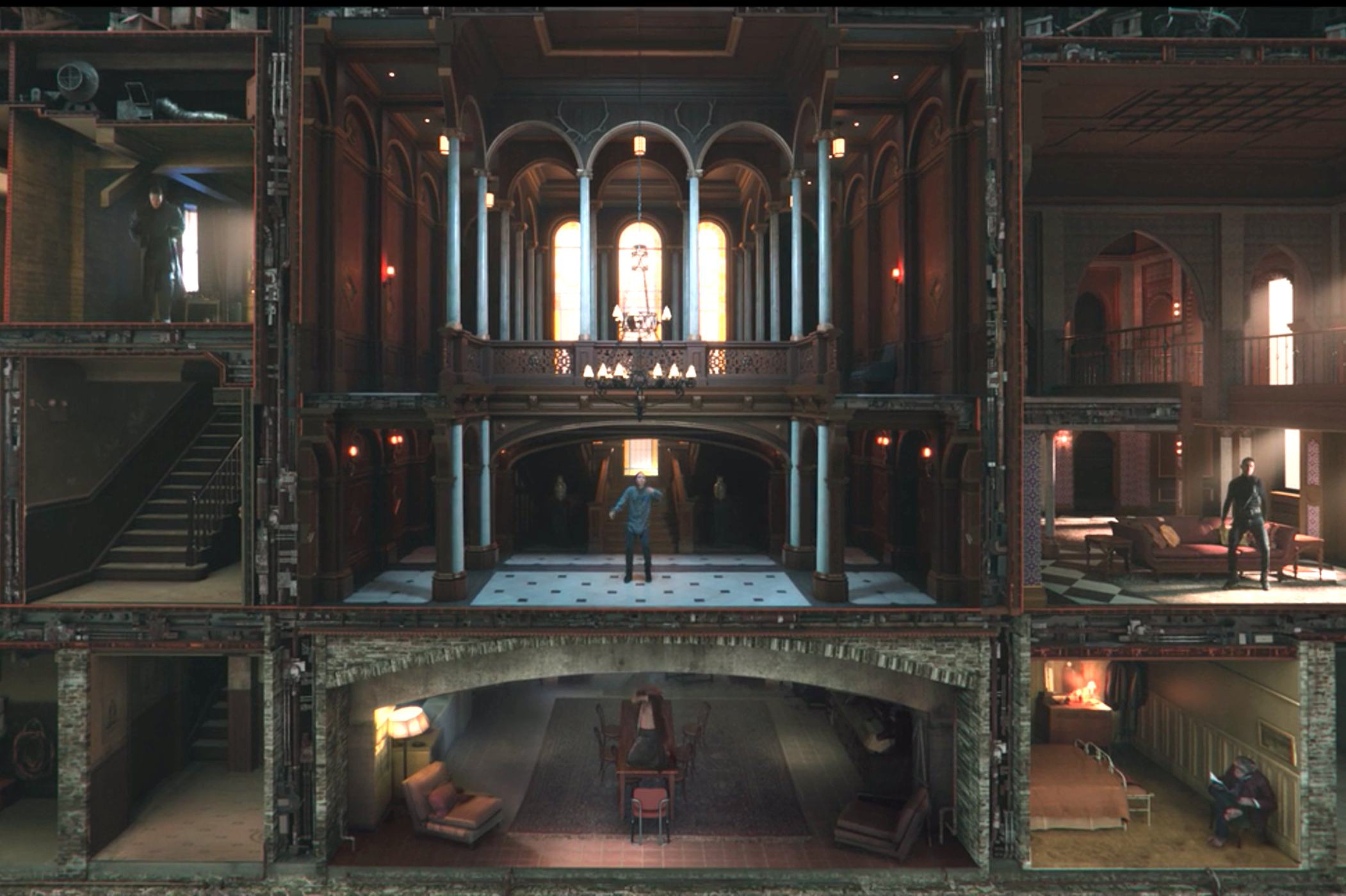
In case you haven't seen the series here is a bit of backstory to the scene in question for context. The Umbrella Academy pilot sees 5 siblings reunite as adults after their estranged father has died, most of them have not seen each other in years and have some have clearly lead difficult lives and gone down very different paths, most of which can be led back to their father and his manipulative & abusive methods. Oh, they’re also all super powered beings-but that is important right now! This all leads to the 5 siblings having a falling out over their different perspectives of their father now that he’s dead, and they all sit in their house separately moping. That is until Luther the defacto “Leader” of the group begins playing the 1987 hit ‘I Think We’re Alone Now’ by Tiffany and the entire family starts dancing to the song in their rooms.

So let’s dive in!

First of all is the very literal interpretation of the lyrics that apply to the character’s situation. “Children behave, that's what they say when we're together” the characters have never really progressed into a real sense of adulthood considering the abuse they shared as youths that effects them to this day, especially now that they’re back together, they all seem to fall back into their defacto roles that they took on as kids. Luther-The Jock, Diego-The Criminal, Allison-The Princess, Klaus-The Basketcase, Vanya-The Brain…okay Vanya doesn’t really fit that role but we had a good Breakfast Club thing going here - which leads me to my next point! The series lives in somewhat of a timeless environment, the technology seems to be a mixture of dated and modern, meaning given the context an 80s song is worked in as somewhat of a nostalgia piece, seeing as Luther finds the record in his childhood room. Everyone listening and dancing along with it enforces this idea of childhood regression, but rather than one of repressed emotions, its one of nostalgia, one of joy, one of freedom; to release themselves from the tension and complications that have come with adulthood. It’s the only moment of the pilot that gives the characters a break and a chance to feel something positive, contrasting that with the dark and rather depressive tone for the rest of the episode, it makes the moment impact all the harder.

Then there is of course the dancing itself, everyone dancing in their rooms like no one’s watching, or as the song puts it “I think we’re alone now”. It’s a humanising moment that honestly adds more dimension to these characters than any number of scenes of them arguing ever could, they each have their own styles and seeing their behaviour on their own shows up more of them as people. Particularly the character of Diego who until this point was the gritty & gruff anti-hero who is now dancing to an 80s bop from his childhood, it’d be like seeing The Punisher do the moonwalk. Then it all comes to a climax with a shot of the whole house and the 5 of them dancing together to the song. A representation of how despite their differences, they are still a family and they still have a connection, they all grew up here, they all suffered from the same person and they all feel connected via this song.

It’s a beautiful moment that connects these characters and develops them through the use of visual storytelling and a perfect choice in song that reflects their emotions. As a series the use of music can clash between being a great fit for the scene and the use of a cool song just for the sake of a cool song. The pilot is clunky in its pacing, the characters don’t get many opportunities to breathe. The series is flawed, I’d argue it’s greater than the sum of its parts, as there are multiple moments where it’s a standout of a series, then there are times where it feels rather generic or even dull, but if each episode had a moment like this (And some do) then I’d call it one of the better shows on TV nowadays. Regardless of the quality for the rest of the series, it doesn’t take away from the impact of this scene, it’s perfect in its storytelling and is one of the best single scenes I’ve ever seen in a television show. If that doesn’t convince you to give this show a try…there’s also a talking chimp named Pogo who acts as their butler, 10/10 best character ever.


-Danny

Saturday, 13 April 2019

Hellboy (2019) - A Movie About Hate

I really wish it wasn’t a movie I disliked that inspired me to start writing again, after all I consider myself an optimist and try to find the positives in films over the negatives; but considering I went on a 17 Tweet rant complaining about this movie, I think it’s safe to say I have a few things to talk about. It’s a shame because this year I’ve intentionally been avoiding films that I think I would dislike or are generally received poorly, yet despite the surplus of negative reviews and my general dissatisfaction with this movie existing in general, I went in with hope that I’d find more to like than expected, or at least, not dislike it as much as others. Yet here we are, a film that the more time I have had to think about, the more I have to be upset with to the point where simply tweeting about it is no longer enough. For the sake of fairness, I’m going to split this film up into three parts to dissect: The Film, The Story & The Remake, partly to show how I’m not just mad at the film for it being a remake, but to emphasize the film fails completely on its own accord.

*Spoiler Warning for all Hellboy movies*

Let’s begin with a quick summary of the film’s plot for context. In the 6th century King Arthur and his men were able to defeat a witch named Nimue The Blood Queen and imprison her after she’s betrayed by her fellow witches. Cut to modern day where Hellboy is given a prophecy by a former agent turned vampire that predicts Hellboy will end the world.  Meanwhile a Hog monster named Gruagach who seeks revenge against Hellboy receives information from a decrepit spirit named Baba Yaga on how to resurrect Nimue. Hellboy is given orders to travel to England to team up with the Orisis Club in hunting down a group of giants, while there he learns of how his father discovered him which raises the question of why he didn’t kill him and chose to raise him. Hellboy is betrayed by the Orisis Club-believing he will bring about the end of the world, but they are attacked by giants and Hellboy is the only survivor, he loses consciousness and wakes up in the apartment of an old friend of his, Alice-a young woman he saved while she was a baby and can communicate with the dead. Hellboy is found by the B.P.R.D-the organisation he works for-and teams up with Ben Daimio a local agent to hunt down Gruagach before he can resurrect Nimue.

BACKSTORY TIME! We learn that the reason Gruagach has a grudge against Hellboy is because he tried to steal Alice as a baby, but was stopped and injured by Hellboy in protecting her. Meanwhile Daimio discusses how he was attacked by a Changling years ago which creates his dislike for monsters including Hellboy, thus he has a special bullet made that would kill Hellboy should he turn evil. This seems more likely as Hellboy questions his father over the unfair treatment of monsters and is unhappy that his father has no solid reason for letting him live rather than killing him as a baby. Hellboy is then kidnapped by Baba Yaga who agrees to give him information on where Nimue is in return for one of his eyes. Hellboy betrays her and runs away from her house with the information.

It’s too late however as Gruagach has resurrected Nimue and restored her to full power. Nimue poisons Alice but Hellboy is informed by one of Nimue’s old allies that Merlin the wizard still lives and can save Alice. Hellboy and the team travel there, Merlin resurrects Alice and offers Hellboy the sword Excalibur, revealing he is a descendant of King Arthur, allowing him to wield the sword, however Hellboy has a vision that using the sword will result in him turning evil and causing the apocalypse. Hellboy refuses, Merlin dies and they make their way to London where Nimue has already opening a portal to hell, summoning demons that slaughter people all over town. In their final battle against Gruagach, Daimio reveals he can transform into a giant Leopard due to being attacked by the Changling, in the end Gruagach still defeats the two and it’s not until he’s betrayed by Nimue that he is killed.

Nimue reveals her plan all along was to bring Hellboy to her side and together they’ll be so powerful they’ll rule the world. Nimue kills Hellboy’s father to motivate him into using Excalibur, which brings out his full potential and his darkside. Daimio is ready to shoot Hellboy dead, but Alice uses her powers to bring Hellboy’s father back to convince him to fight for the side of good. Hellboy kills Nimue, closing the portal to hell and saving the world. The End.
So let’s dive in….

The Film
To try and balance this analysis somewhat, let’s actually start by listing some positives about the film, because it’s not without some. As the titular Hellboy this time we have David Harbour who does a good job in the role, granted he doesn’t add anything particularly fresh to the character but at least I can say it never felt like he was phoning in his performance or didn’t capture the gruff, aggressive and sometimes comedically clumsy aspects of the character that made him a fine choice for a remake. I was also impressed with the large number of practical effects and gorgeous sets used in the film, in particular the work for Gruagach the Hog monster is noteworthy, at times I was never sure if I was looking at very detailed practical effects or damn-convincing CGI, and the fact I can’t tell shows just how well done they were. Unfortunately, that’s about it from what I can say for the positives, the lead actor and the effects, and even then the effects weren’t always that great, but they looked good more times than not.

The other reason why I chose to look at this aspect first is because they are the negative elements that anger me the least, most of them can be passed off as nitpicks such as obvious ADR work or very fake English accents, but then there are points that stick out far too clearly. There’s an abundance of continuity issues and bad structural work within the script, most of which can be explained within the Hellboy vs giants sequence, so lets break it down piece by piece. Now supposedly the film is more faithful to the graphic novel’s more macabre and horror tone, which I can’t confirm as I’ve only read the first trade, if that is true, what it doesn’t capture is the use of panel work to express actions. A fight scene in a comic often uses each panel to highlight a particular angle or motion to emphasize an action. In the case of this fight scene it chooses to attempt a one-shot fight, despite the fact it’s almost entirely CG meaning the effort, planning and mistakes that go into making a One-Shot affective isn’t present when the computer controls even the smallest of details. It also can’t even commit to the One-Shot as it cuts several times and just starts the One-Shot again for no reason. Then finally is the fact a fight scene in one movement with two very differently sized fighters means the camera remains neutral for the majority of the fight, struggling to fit both Hellboy and Giant into the frame means the camera stays a fair distance back, not allowing any kind of emphasis or action to stand out, which is possible to do in a One-Shot, use movement to create different angles and generate different reactions from your audience.

At the end of the fight Hellboy passes out just as a new character Alice arrives, apparently paid several men with a van to drive her out here, pick him up and take him to her flat. That one sentence raises multiple questions: 1) How did she know where he was? 2) Did these random men not have any reaction to coming across several giant corpses and a literal devil in a field? 3) As we’ll later find out in the film, Hellboy’s only interaction with Alice before was when she was a baby so they really shouldn’t have a relationship, either that or they have more of a prior relationship that the film didn’t show. And 4) The film will use this tactic several times of Hellboy just waking up in a new place with new information because the film has no sense of a flowing narrative, just knock Hellboy out and drop him off wherever the plot needs him to be.

Finally there are some smaller aspects that annoy me, such as characters who literally show up to give exposition and then disappear, the most notable example being one Nimue’s witches who betray her in the beginning, after she’s restored to full power, they arrive out of nowhere and exist just to tell Hellboy to go find Merlin. Merlin then shows up to restore Alice but his real purpose is to offer Hellboy Excalibur, even though it will turn Hellboy evil…because reasons, and for some reason Merlin is convinced it’ll save the world…because reasons. Baba Yaga gives Hellboy information because reasons, Alice shows up to save him because reasons, everything either happens around Hellboy or is given to him without any effort on his part, a compelling narrative, that does not make. There’s a large number of character issues to be found here, but we’ll dive into those in the next section.

The Story
Hellboy’s biggest problems don’t come from its structure, or its continuity, or its effects, it comes from the films message. Hellboy is a hateful film, it is a movie about terrible people being terrible to each other while terrible events transpire on the screen that results in no one having a good time, most of all the audience. Let’s look at Hellboy’s arc over the film, early on Hellboy learns of his origins and questions why his father didn’t kill him even though he is a monster killer, and demons are the worst of the worst. Unsatisfied with his father’s answer just being he believed Hellboy had “Potential” Hellboy begins to side with the monsters, which is only worsened after Nimue offers him power and respect beyond measure, but in the end after a “Pep Talk” from dear old dad, Hellboy kills Nimue and saves the day, even though he really shouldn’t.

Here’s the thing, Hellboy may be an asshole, but it’s only because everyone around him is an awful person. His father is clearly abusive and distant, unable to give him the support or love he desires, even in his final speech to him he treats him like a bad person, it basically equates to “Just save the world already you piece of shit, god you’re so fucking useless, prove you’re not a total waste of space”. Daimio is another example of people disliking Hellboy without warrant, but it’s also an example of a failed arc. Daimio has a bullet prepared to kill Hellboy if need be, in the climax, he sits ready to shoot him dead, only lowering his weapon after Hellboy does the right thing. At no point does Daimio trust Hellboy, nor does their relationship grow beyond mutual distain (At best). Daimio hated Hellboy from beginning to end, his father was unhelpful, rude and insulting from beginning to end, and really Hellboy is shown to have very little affection or interest in the safety of people, he seems to hate his job, hates the people around him and is sick of having to hide in the shadows. The only reason he fights for the side of good by the end is because the script tells him to. This is not a character arc, this is an act is hypocrisy.

Now what I mean by saying it’s a film about hate I mean that this film does not want you to enjoy it, it wants you to be grossed out, to be uncomfortable. The abundance of gore exists only as shock value, no one ever just dies, they have to be turned inside out, they have to have all of their organs ripped out of their body, they have to have a river of blood pouring from their corpses. It’s exploitative in all the wrong ways. The problem isn’t with the use of gore, it’s with the lack of purpose. Evil Dead is gorey but over the top and silly enough to be fun, Robocop is gorey to express the dangers and commonly violent nature Detroit sees on a day to day, heck, even Alien: Covenant is gorey to establish the threat of the Aliens and complete insanity and dangers of David. This film uses gore to make its audience uneasy and nothing more.

The only relationship that is built on people actually liking each other is Hellboy and Alice, a relationship that doesn’t work as the only history established between them is that Hellboy saved her as a baby, and nothing is built after that, it’s illogical that they would have any kind of a connection. The film doesn’t earn this relationship and it certainly doesn’t present it well. Alice herself would go on to serve little purpose in the plot until the ending when she brings back Papa Hellboy, which is another good example of the disgusting nature of the film. Her powers are represented by a fleshy demon monster shooting out of her mouth and creating the form of a person. Why is it represented that way? To gross you out of course. Why is the way Hellboy makes a deal with Baba Yaga sealed with a saliva ridden kiss? To gross you out of course.

I can’t remember the last time I saw a modern blockbuster that lacked any kind of compassion throughout the whole film, not a single positive action or emotion is brought out in any scene, in any character. It has such a fundamental misunderstanding of the cinema going audiences today. In an age of films like Shazam, Black Panther, Alita: Battle Angel; films dealing with mature, honest and emotional subject matters, especially ones about broken families and father figures, did anyone think this would work? Hell, even films like Venom still tried to establish a protagonist with relationships and morals, even if it didn’t always work they still tried, and they did it while also being a dark and grotesque.

This film doesn’t seem to know who it’s aimed at, it wants to be a comic book blockbuster and a niche gorefest horror at the same time. Dark can be a good thing, gore can be a good thing, wanting to upset your audience can be a good thing. Films can create a spectrum of emotions, even within the confines of a single story. A film leaving your audience upset or depressed has worked plenty in the past, but when you exist solely to upset, without leaving us with characters, themes or messages to learn and identify, your movie is garbage, plain and simple.

Hellboy doesn’t function on a multitude of levels, regardless of it as an adaptation, as a film, it is hollow, it is heartless, it is incompetent, it is trashy, it is exploitative, it is quite simply Bad.
So now let’s compare it to the original.

The Remake
One of Guillermo Del Toro’s running themes as a filmmaker is finding beauty in the horrific. In some cases it’s told quite literally in films such as The Shape of Water, but in others it can be represented more through the theming such as Crimson Peak or by creating a contrast with the human characters such as Pan’s Labyrinth or The Devil’s Backbone. His Hellboy films are no exception, a theme that is simplified when your source material is all about a demon destined to destroy the world fights to save it, the writing’s already on the wall for you there.

Both the Del Toro’s Hellboys and the 2019 remake share a lot of similarities on paper, they focus on Hellboy having a troubled relationship with his father and teammates, while also trying to find his reasoning for fighting on the side of good when it’s not his natural place in the world. Hellboy himself-played by Ron Perlman-is somewhat of an immature asshole, characterised more as a whiney teenager rather than a drunken middle-aged man with anger issues like in the newer version. He’s much more identifiable knowing his actions don’t come from a place of hostility, but rebellion, and his estranged relationship with his father (Played by John Hurt) is due to miscommunication and Hurt not being able to understand his son’s needs but wanting to help. It’s also established Hurt’s reasoning for saving him comes from a place of compassion, wanting to give a baby a chance rather than believing he’s evil by nature. They also give Hellboy more of a built-in relationship with his team, a broken relationship with Liz showing if he wants to earn her back, he has to grow as a person. Perhaps the best scene in the franchise-at least in my opinion-is Hellboy and Abe Sapien getting drunk and discussing their problems, a scene of honesty and emotions where the two actually are able to bond and strengthen their relationship.
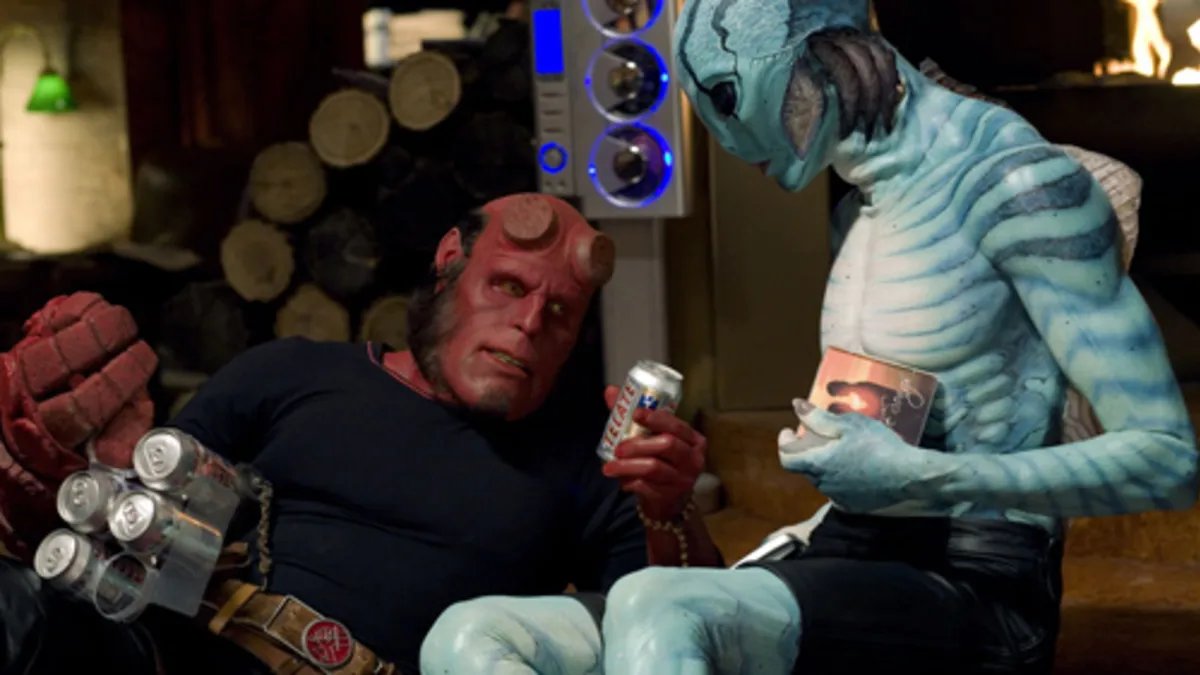

Hellboy is still a bad person to a degree; he’s rude, has anger issues, and also is a demon destined to destroy the world-the usual. However, all of these issues are internal and he has a support system around him to help, and he has to better himself in order to earn them. The struggle to fight for the side of good when he’s a creature meant to destroy is a legitimate battle when you see what he has to fight for. There’s also plenty of moments of sympathy and struggle, such as in Hellboy II: The Golden Army where he is forced to kill a monster who is the last of its kind in order to rescue humans who are visibly disgusted and afraid of him, showing the reasoning why the temptation would be there, but always landing on the side of good. Because if your film is about a hero fighting for good, you should probably at some point show good things.

Both films have Hellboy’s father figure tragically murdered, but one of these relationships is one built on empathy and love, while the other is built on abuse and objectification. Hurt took Hellboy in because he saw a creature that if raised with love he wouldn’t have to be the monster everyone expects. While McShane saw him as a tool that could be raised into a weapon to fight for them, regardless of his autonomy.

Part of me understands why the studio never went forward with a third Hellboy film, as despite Del Toro’s talent and desires to complete his trilogy, the first two films never made that much money. What I don’t understand is why they would then proceed with an R-Rated remake, when if the original would have come in with a built in fanbase and PG-13 rating that would allow newer audiences to see it as well. I’d honestly be surprised if this film made a profit, even more so if it got a sequel, but I don’t care, I’m done with this disgrace of a film. As a movie, it’s awful, as a remake, it’s beyond redemption. It’s been a long time since I’ve been thing angry at a film, and I can just hope talking about it here is enough to get it out of my system so I can move on with my life.

-Danny

Saturday, 1 September 2018

Best Things August 2018

It's been a busy month for me personally. Moved houses, got a new job, had a birthday. Not a whole lot of time to sit around and just enjoy things. Nevertheless, here's what stuck out to me.

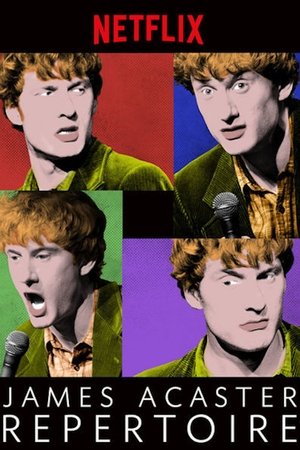
James Acaster's Repetoire
Image result for james acaster repertoireI mostly indulged myself in stand-up specials on Netflix this month. It's always been a format that has appealed to me, unlike comedy films, there's no need for plot or themes, just jokes. However, just cause that's what they don't need doesn't mean it they can't give us a little more. James Acaster's Repetoire is one of those specials that goes further than it needs to. Split up into 4 different segments: Recognise, Represent, Rest & Recap. In each one he plays an exaggerated version of himself-like many comedians do-but his commitment to each bit and each story, carrying over from one segment to the other, almost as if he's creating an entire backstory and rich detailed life for a person who will only exist for a couple of hours. Most comedians will tell stories of things that didn't actually happen, and it's always a grievance of mine when you can easily spot a fraud. Acaster however commits and creates such detailed and unrealistic stories that it's an easy hurdle to get over. Nothing is real, nothing is sacred, nothing to be trusted, all of his stories are intentionally filled with twists, contradictions, all for the sake of building on the joke, making it as unrealsitic as possible and still 100% being commited to the tale. Oh, it's also really fucking funny, I should probably have pointed that out at somepoint.

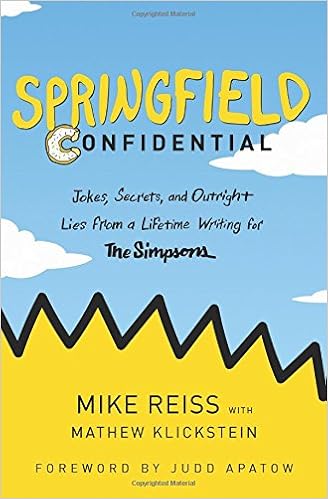
Springfield Confidential
Image result for springfield confidentialI am a big fan of The Simpsons. You know this because I am a living, breathing human being. It was the first series that I actively listened to the dvd commentary back when I was a child, I pretty much spent all of year 7 quoting the series non-stop. It's the most influencial piece of media to me personally, and arguably one of the most influencial to the world. So when a book written by series Showrunner Mike Reiss - a man who has been with the show since it's beginnings and remains with the show to this day - is published, naturally I would want to read it. Everything you could want to know about the series gets discussed in here, from it's origins, to a detailed description of how each episode is produced, tales of fans from around the world, his views on Family Guy, the backlash against modern episodes, his personal favourite stories and tales of fan meetings from around the globe. Not only is it a fascinating insight into the world of The Simpsons, as well as a fairly easy & engaging read (I finished the whole thing in a day), but of course as you'd expect from a Simpsons writer, it offers clever laughs along the way. A must-read for any Simpsons fan.

Wednesday, 1 August 2018

Best Things July 2018

Image result for afternoons with ken & joshAfternoons With Josh & Ken
Podcasts are a difficult thing to get into, there's about 100 billion out there and most of them are the same thing, I can't even argue that this one is any different, just two guys having a conversation and decided to record it, with no real direction or purpose. That being said, the reason why I really enjoy this podcast is because I already enjoy Ken Napzok & Josh Macuga as people already. I've followed their work on multiple platforms for years now and I find their conversations to be legitimately entertaining, whether it be Ken's self-deprecating humour, Josh's wild party stories or just any random nonsense that happens to be on their mind. Would I recommend it? No, not unless you're already a fan of their work. Then again this isn't a blog talking about what others will like, just what I like.

Image result for hard boiled poster
Hard Boiled
Before rewatching Mission: Impossible II, I wanted to expand my knowledge of John Woo's filmography, one of his most popular films that I had never seen was Hard Boiled and by god do I see why it gained such noteriety. This film is basically Woo in a nutshell, it's loud, exaggerated action where you feel every ounce of effort and genuine passion that went into it. Woo said that he had been criticized for glorifying criminals in prior films so he wanted to make a film glorifying the police and boy does he succeed. Chow-Yun Fat at first comes across as your typical renegade cop you'd see in any other action film, but it's how commited and stubborn he is towards doing the right thing that make him memorable as a protagonist, alongside Tony Leung Chiu-Wai as a morally grey undercover cop, the two play off each other greatly. However what makes the film stick out is of course the over the top action, most notably and insanely well done one shot inside a hospital near the end of the film, which sees the characters face off against multiple enemies, travel several floors and I can't even begin to imagine the preperation that must have gone into making that happen.

Mission: Impossible - Fallout
Image result for mission impossible fallout posterI've already talked about the Mission: Impossible films before and my love for them, so let me say with full clarity that this is my new favourite Mission: Impossible film, certainly one of the best action films of all time. Christopher McQuarrie and Tom Cruise take practical stuntwork to a whole new level, the car chase through Paris, the cliffside brawl, The HALO Jump, the bathroom fight, the helicopter chase; any one of these could completely make an action film and the fact they performed all of this makes every other film look lazy in comparison. It's also definitely the best MI film in terms of story, not only could I actually tell what was going on most of the time, but I found myself invested in the characters beyond their basic entertainment value. Giving Ethan Hunt much more vulnerability at least emotionally particularly with how it ties in to his wife Julia makes me actually pity him, something that six films into the series has only now just been achieved. At the time of writing this I've already seen the film twice and I certainly plan on seeing it more while it's in theatres.